Tech Christmas gifts for her are my go-to recommendation when you’re down-to-the-wire shopping for a special lady. They’re impressive, easy to find, and (when carefully selected) actually make her everyday life better.
Women do a lot, and the best tech Christmas gifts for her are the ones that help her relax, unwind, or enjoy a quiet moment at the end of the day. Not something that helps her strategize her time or get more chores done. And not another gadget that ends up in the tech junk drawer.
Related: Tech Christmas gifts that will impress even your hard-to-buy-for friends
I’ve spent over six years writing gift guides, and I’m also a working wife and mom—so every gift on this list is something I’d love to receive myself. You won’t find any pencil vacuums or smart home gadgets here (trust me, she doesn’t want them). Just thoughtful, feel-good tech gifts she wouldn’t normally buy for herself.
Let’s impress her this year!
Self Care and Health Tech Gifts for Her
These gifts are all about helping her relax, recharge, and feel pampered—because busy women deserve a little self-care every day.

Fitbit Versa 4
The Fitbit Versa 4 practically keeps a personal wellness coach on her wrist. It tracks workouts, sleep, heart rate, stress, and menstrual health and helps her set and reach goals. With GPS, notifications, and over 40 exercise modes, it’s perfect for active women who want to stay on top of their health without juggling multiple devices. A practical, thoughtful, and tech-savvy gift she’ll use every day.
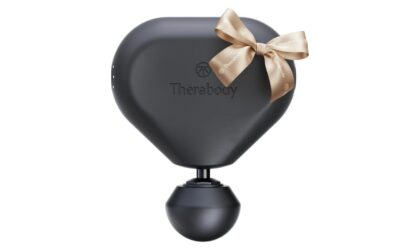
Thereagun Mini 3rd Generation
The Theragun Mini is my go-to recommendation for anyone who needs quick relief from daily aches and stress. Compact, quiet, and travel-friendly, it’s easy to use at home or on the go. With three attachments and adjustable speeds, it targets sore muscles, tension, and knots with professional-grade percussive massage. Honestly, it’s one of those gifts she’ll never put down once she tries it.

RENPHO Red Light Therapy Mask
This mask gives her access to daily light therapy. With 324 LEDs and a contoured design, it delivers pro-grade red, blue, and infrared light therapy to every curve of her face. Whether she wants to smooth wrinkles, calm acne, or boost radiance, this mask does it all from the comfort of home. I love that it feels luxurious but actually gets results.

Shark FlexStyle Air Styling & Drying
Give her a way to style her hair effortlessly with the Shark FlexStyle. Lightweight but powerful, it dries hair fast while protecting it from heat damage. With curlers, volumizers, and smoothing attachments, she can style straight, wavy, curly, or coily hair—all in one sleek system. It’s the perfect gift for any woman who loves dressing up and looking her best!
Fun & Creative Tech gifts for Her
These gifts are all about joy, creativity, and playful moments. They’re ideal for women who love trying new things or just having a little fun.

Fujifilm Instax Mini 11
This instant camera is pure fun in her hands. She can snap a photo, watch it develop, and instantly create memories to hang or share. It’s playful, stylish, and just right for anyone who loves capturing real-life moments. It’s both nostalgic and totally modern.

Rocketbook Fusion Hybrid Reusable Notebook
If she loves organizing, doodling, or journaling, this gadget is productivity meets creativity. It’s reusable, works with cloud apps, and turns handwritten notes into digital files. Practical and eco-friendly, it’s a gift that also keeps her notes organized and available on any device.

BLACK+DECKER Ice Cream Maker
This is a gift that’s fun for her and the whole family. Easy to use, she can whip up ice cream, sorbet, or frozen yogurt in minutes. It’s interactive, playful, and perfect for a cozy night in—or just a little indulgence for herself. It’s a sweet way to say, “you deserve a treat.”

Razer Kraken Kitty Gaming Headset
If the lady in your life is a gamer, she’ll appreciate the Razer Kraken Kitty Gaming Headset. It delivers high-quality audio as well as style and performance. With vibrant lights and immersive sound, it’s both a statement piece and a practical gaming accessory. Perfect for late-night gaming sessions or streaming with friends.
Christmas Gifts for Her: Practical and EDC Tech
These gifts are all about everyday convenience, style, and smart solutions—tech she’ll actually use and love.

Meta Ray-Ban Smart Glasses
High-tech meets high-style in the Meta Ray-Ban Wayfarers. She can take calls, listen to music, and snap photos all while looking effortlessly chic. A gift that combines fashion, function, and “wow” factor, it’s made for the woman who loves tech that actually integrates into her lifestyle.

Amazon Kindle Colorsoft
If your recipient is an avid reader, this Kindle is a thoughtful gift. Lightweight, easy on the eyes, and color-rich, it lets her escape into books anywhere—on the couch, the train, or the beach. I love that it’s a gift she can use all year!

JBL Clip 5
Portable, waterproof, and full of punchy sound, this little speaker lets her listen to music wherever she goes. I love that it clips to bags, kitchen cabinets, or backpack loops. Fun, practical, and totally reliable—it’s a gift that makes everyday life a little more enjoyable.

ULANI TC001
If she loves tech and quirky designs, the ULANZI TC001 Smart Pixel Clock makes a fun and thoughful gift. It blends retro pixel-art with modern smart features, making it ideal for cute desk setups, cozy home offices, or personal spaces. She can use it as a Pomodoro timer for focused workdays or to track social media. It’s playful, yet practical, serving as a clock, weather display and planner in one!
Christmas Tech Gifts for Her: Cozy Tech Gifts
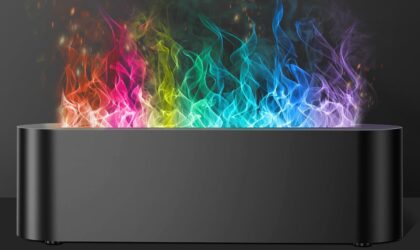
Eiifiter Colorful Flame Fire Humidifier
This diffuser delivers serious cozy vibes. It doubles as a humidifier and aromatherapy diffuser, with a realistic flame effect created by 7 color-changing LEDs. She can add a few drops of her favorite essential oil, set the timer, and let it quietly relieve stress and make the room feel like a spa. Ultra-quiet and safe with auto-off, it’s the kind of gift that makes her daily routine feel a little more luxurious.

OCOOPA Magnetic Power Bank
This sleek, card-style power bank is a lifesaver on the go. Slim enough to slip in her wallet or bag, it’s perfect for charging phones, earbuds, or any USB-C device. They also work as hand warmers!! Practical, stylish, and just plain useful—a gift she’ll reach for again and again.

Hatch Restore 3
The Hatch Restore 3 helps her build a calming bedtime routine with soothing sounds, soft lighting, and guided wind-down content. At night, it creates a peaceful, distraction-free sleep environment; in the morning, the sunrise alarm wakes her gently instead of jolting her awake. I love that everything is customizable—from the light and sound pairings to full sleep routines—so it actually fits her preferences.

Nextmug Self-Heating Coffee Mug
For a gift she’ll appreciate every single day, look no further than the Nextmug Self-Heating Coffee Mug. It keeps drinks at the exact temperature she wants for hours, thanks to built-in heating tech and a long-lasting battery. I love the cup’s elegant shape and easy use.
The best tech Christmas gifts for her
At the end of the day, the best tech Christmas gifts for her aren’t always the ones that follow the latest trends. No, the best gifts for an amazing lady are the ones that make her feel great, every day. Whether that’s helping her unwind, create, or carve out a little “me time.” Every gift on this list is something she’ll genuinely appreciate long after the wrapping paper is gone!
The post Tech Christmas gifts for her that won’t end up in a drawer appeared first on Gadget Flow.
]]>My friend is a movie buff to say the least; he’s attending movie quizzes, premieres, and just like Roger Ebert, can critique any movie you throw at him. Years ago he had the dilemma whether he should invest in a tablet or stick with a smartphone for watching movies. Fast forward to today, he’s thankful he went the route of getting a tablet. It saved his phone’s battery and allowed him to make a distinction between the two devices. So if you’re after the best tablets for watching movies, too, I’m here to help you.
The tablet market has so many choices it can confuse anyone. I’ve looked at reviews and compared devices across budgets and platforms to show you which tablets make movies pop at home, on the couch, or while traveling.
1. Budget pick: Amazon Fire HD 10

Amazon Fire HD 10
10.1-inch Full HD display with 1920 x 1200 resolution
The Amazon Fire HD 10 goes for $139.99 with 32 GB, about $70 above the Amazon Fire HD 8, yet you gain a sharper screen, stronger speed, and more battery time.
My parents grew up watching everything on a 13-inch black-and-white TV, even classics like Pulp Fiction. That history makes me think many Gen X viewers care more about the story than screen quality, and I get that perspective. Still, as a Gen Z representative, I refuse to watch my favorite movies on a so-so screen. Just imagine Blade Runner 2049 with less screen sharpness. No thanks. The Fire HD 10 packs a 10-inch screen with a 1,920 by 1,200 pixel count and 224 ppi, which puts it at the top of the Fire line for sharpness.
Beyond its impressive display, the Fire HD 10 also excels in entertainment options. It supports streaming from Netflix, Hulu, HBO Max, and many other services. Amazon Prime members also get a bunch of movies and shows with no extra cost. I find Prime worth it since most titles on my Prime Video page come free with Prime. The app shows rental titles far less, and it keeps them in one row. I also scan for the Prime logo on each thumbnail to spot what I can watch right away.
On the downside, the Fire HD 10’s speakers aren’t impressive. You can still watch a TV show in a small room, and turning the volume all the way up cuts through some background noise, but the sound lacks depth. For a richer audio experience, you’ll want to connect wired or wireless headphones.
2. Android pick: Xiaomi REDMI Pad 2 PRO

Xiaomi REDMI Pad 2 PRO
12.1-inch 2.5K crystal-clear display with 2560 x 1600 resolution
A few points deserve critique with the Xiaomi REDMI Pad 2 Pro. The LCD screen has weak viewing angles and lacks punch for HDR. On trips, however, the screen works fine for solo use on a couch, in bed, or at a desk.
At 12 inches, the REDMI Pad 2 Pro has some heft, weighing 1.35 lbs and measuring 0.3 inches thick. Despite its size, it feels sturdy in hand without being bulky. I often work remotely while traveling across European capitals, and the 12.1-inch display is ideal for watching movies and handling light tasks on the go. Multitasking is simple, too. You can pull up the dock, run a second app in a floating window, or use split screen with a corner drag.
The REDMI Pad 2 Pro supports Dolby Vision and features four speakers with Dolby Atmos. Power comes from the Snapdragon 7s Gen 4 Mobile Platform, paired with a massive 12,000 mAh battery.
I also appreciate the add-on accessories. Xiaomi knows how to enhance the tablet experience, and even at a price of $301.65, the REDMI Pad 2 Pro supports the optional REDMI Pad 2 Pro Keyboard. You can handle browsing, streaming, gaming, chatting, and backup office tasks with ease. For those seeking strong value without a four-figure price tag, the Xiaomi REDMI Pad 2 Pro is a smart choice that delivers excellent bang for your buck.
3. Best Android upgrade: Samsung Galaxy Tab S10 FE+

Samsung Galaxy Tab S10 FE+
13.1-inch LCD with 2880 × 1800 resolution
Samsung makes the display the main draw of the Galaxy Tab S10 FE+. The tablet sports a 13.1-inch LCD screen with 2880 × 1800 resolution, 90 Hz motion, and brightness that reaches 800 nits. The 16:10 shape, which the Amazon Fire HD 10 also uses, lets movies and shows fill much of the display.
Instead of Samsung’s usual Dynamic AMOLED, the S10 FE+ uses an LCD panel. Even so, contrast is solid, colors remain vibrant, and the high resolution keeps images sharp across the large display. The screen also holds up well at wide viewing angles.
You miss a four-speaker setup from higher-tier Samsung tablets, yet the two speakers do the job. They push strong volume and can fill a small room. Dialogue and sound effects stay clear even with background noise.
At $549.99 (15% OFF), the Tab S10 FE Plus brings more than a huge screen. Samsung fits a battery past 10,000 mAh into the thin body, and it pays off. Video playback can reach near 19 to 20 hours on one charge.
Samsung also throws in the S Pen. You can jot notes, sketch ideas, mark up screenshots, or tweak documents. Some people even use the pen for media control or menu moves, which helps when hands deal with food or mess.
4. Apple iPad 11-inch (A16)

Apple iPad 11-inch (A16)
11-inch LED IPS display with 2360 x 1640 resolution
Yes, the Apple iPad 11-inch (A16) is the cheapest base model, but it handles all the usual iPad stuff—watching movies, playing games, reading, browsing—without fuss.
Apple sticks with its Liquid Retina display. The 11th-gen iPad uses an LED IPS screen with a 2360 x 1640 resolution. Many buyers say movies and TV shows look great, and web pages show punchy color. Others point out the glossy surface, which reflects light and makes use tough in bright scenes. Fingerprints show on the display.
The iPad A16 misses one feature. It doesn’t include Apple Intelligence or Stage Manager for multitasking. Does that make a difference? Probably not. For everyday use, the basic tools cover most needs.
Speakers sit on each short edge, so you get stereo sound when you hold the iPad in landscape. Whether you’re listening to the latest pop hits or catching up on your favorite TV show, the speakers do a fine job with sound. They reach 91 dB and can fill a small room.
Parting thoughts on the best tablets for watching movies
Whether you’re curled up at home or watching on the go, the tablets I’ve highlighted keep you immersed without draining your phone’s battery. If you’re like me and want your movies to look and sound their best, one of these picks will be worth your investment.
The post Best tablets for watching movies: Experience every detail like Roger Ebert would appeared first on Gadget Flow.
]]>If you’ve ever gone RV camping in December, you know the truth: the real luxury isn’t the fairy lights, the hot cocoa, or the perfect winter campsite—it’s stepping into a warm, steady shower after a freezing morning outside. And this Christmas, FOGATTI is basically gifting RVers the one thing they desperately want but rarely say out loud: endless hot water, zero waiting, zero drama.
Meet the FOGATTI InstaShower Ultra, a 66,000 BTU, 0.5–3.9 GPM RV tankless water heater built for year-round adventure, high-altitude performance, and cozy holiday comfort. And if you’re still hunting for a practical but impressive gift for the RVer in your life, this might just be the “wow” upgrade of the season.
(And yes—order by December 20th if you want it wrapped and ready before Christmas morning.)
Give the Gift of Endless Hot Water This Christmas
The holidays bring guests, bigger meals, fuller sinks, and a lot more shower rotations. The InstaShower Ultra handles all of it without flinching thanks to its 66,000 BTU output and up to 3.9 GPM flow rate.
That means:
- One person showering while another washes dishes? No problem.
- Back-to-back showers on Christmas morning? Still warm.
- An RV packed with family for the holidays? Everyone gets hot water.
This alone makes it a phenomenal holiday upgrade—because nothing kills festive cheer like a cold shower at 7 a.m.

Eco-Friendly Comfort for Winter Camping
While most tankless RV heaters need high water pressure to kick on, the InstaShower Ultra fires up at just 0.5 GPM. That’s huge for winter camping, when water sources can be inconsistent.
Low-flow startup = lower propane use lower water use more sustainable RV living
This is the heater you buy for the RVer who cares about the environment and about staying warm at a snowy lakeside or forest campsite.
Built for the Wildest Winter Adventures
If your Christmas travel plans involve mountains, freezing wind, or anywhere above 8,000 feet, FOGATTI InstaShower Ultra rv tankless water heater built this heater exactly for you.
- Operates at altitudes up to 9,800 ft
- HydroShield-Tech weather protection for storms and extreme cold
- A stronger 300Pa fan that keeps flames steady even in wind up to Beaufort scale 9
Translation:
This heater doesn’t just survive winter—it thrives in it.
Imagine this:
You’ve just come back from building a snowman with the kids at a mountain campsite. Your boots are soaked, your gloves are stiff, and the temperature is dropping fast. With InstaShower Ultra, you step into instant warmth—no shivering, no waiting, no surprise icy blast.
That’s the kind of holiday memory people actually cherish.
Temperature Stability That Makes RV Life Feel Like Home
One of the most frustrating parts of RV water systems is temperature swing—those sudden spikes or dips that make you dance in the shower like you’re dodging lasers.
FOGATTI solves this beautifully with:
±1°F precise temperature control
A genuinely impressive achievement in an RV system.
Seasonal burner adaptation
- It can also auto-precisely adjust flame based on current condition or weather.
- The super intelligent design makes this entire product an energy-saving device for your home.
Built-in 13oz mixing tank
The pre-mix system blends hot and cold at startup, preventing the notorious “cold start shock.”
All of this creates smooth, predictable water temperature—essential for hosting guests or managing kids’ showers during the holidays.

Holiday Peace of Mind, Wrapped Up in One Upgrade
FOGATTI takes the stress out of installation and long-term maintenance:
- Comes with a 150 PSI pressure relief valve
- Includes a 15 x 15-inch, 15 x 18-inch, 18 x 18-inch to suit for different size needed for the door + trim ring
- Features a remote controller usable up to 6.6 feet away
The extras are thoughtful, Christmas-friendly touches—because nobody wants to run around hardware stores on December 23rd trying to find an adapter.
Perfect for Every Holiday Scenario
Inside the RV
- Christmas Morning Shower: Warm up before opening presents with instant, steady hot water.
- Holiday Cooking: Wash greasy pots and pans after a feast without running out of hot water.
- Hosting Guests: Give visiting family home-like comfort—even if you’re parked in a snowy clearing.
Outside the RV
- After a winter hike: Rinse off muddy boots or warm your hands after a frosty trek.
- After building snowmen: Bring feeling back into your fingers instantly.
- By the lake or forest campsite: Enjoy comfort without depending on campground facilities.
It doesn’t matter where the holidays take you—InstaShower Ultra RV tankless water heater brings the warmth.
Why RVers Will Love Unwrapping This on Christmas Day
For full-time RVers and frequent campers, this is more than a gift. It’s a quality-of-life upgrade that transforms daily routines—especially in winter.
For gadget lovers, the engineering is genuinely exciting:
0.5 GPM startup, wide-range BTU control, altitude performance, intelligent flame modulation.
For Christmas shoppers, it’s meaningful and practical—something that brings safety, comfort, and joy every single day, long after the decorations come down.
Final Thoughts — The Holiday Upgrade That Keeps on Giving
The FOGATTI InstaShower Ultra isn’t just an RV water heater—it’s a holiday comfort machine, engineered for warmth, efficiency, and family-friendly convenience in the coldest adventures of the year.
If you want to give a gift that says:
“I want your RV life to feel just as warm as home—this Christmas and all year long,”
this is the one to wrap.
And remember—if you want it ready before Christmas morning,
Order by December 20th (Amazon) or brand website for guaranteed pre-holiday delivery.
Here’s the detail of the deal:
- Original Price: $799.99
- Discounted Price: $719.99
- Discount: 10% off
- Deal Date: 12/2-12/31
The post FOGATTI InstaShower Ultra Review–the Christmas gift every RVer will thank you for appeared first on Gadget Flow.
]]>Finding the perfect Christmas gift for a tennis lover is harder than it sounds. Racquets are personal. Shoes are risky. Lessons are expensive and time-bound. And most gadgets? Fun for a week, forgotten by January.
That’s what makes the Pongbot PACE S PRO different.
This isn’t just another tennis ball machine—it’s the world’s first true AI-powered tennis training partner, designed to solve the biggest frustration most players face: wanting to improve, but not having the time, partners, or consistency to do it.
The Gift of Time, Progress, and Freedom
At its core, the PACE S PRO is a gift of freedom.
Freedom from waiting for a hitting partner’s schedule.
Freedom from booking pricey coaching sessions just to get reps in.
Freedom to train when motivation strikes, even if that’s a quiet 20-minute window between work and dinner.
Instead of needing another person on court, the PACE S PRO becomes a reliable, always-ready practice partner—one that doesn’t cancel, doesn’t rush, and adapts to how you play.
This aligns perfectly with what great tech should do: remove friction from everyday life.

From Fixed Ball Machine to Adaptive Training Partner
Traditional tennis ball machines are predictable. They fire balls on a loop. You adjust. They don’t.
The PACE S PRO flips that model entirely.
Using AI-powered movement tracking, the machine actively monitors where you are on court and how you move. It doesn’t just feed balls—it waits. Once you recover to position, it triggers the next shot, mimicking the rhythm of a real rally instead of forcing you into robotic repetition.
Think of it like a smart thermostat for tennis:
It doesn’t blast heat nonstop—it responds to conditions and adjusts intelligently.
Smarter Solo Practice, Right After the Wrapping Paper’s Gone
Picture this:
It’s the first quiet morning after Christmas. The house is calm. Coffee’s brewing. And instead of scrolling your phone, you’re on court—designing a pro-level training session from an app.
With access to 564+ preset drills, players can jump straight into structured routines covering footwork, baseline consistency, net play, or match-style rallies. Want something more specific? You can build custom drills with precise control over speed, spin, placement, and timing—right from your phone.
Even better, drills can be shared and downloaded from a global community, so training evolves without extra effort.
Match-Like Training for Every Level (Not Just Pros)
The PACE S PRO supports NTRP levels 1.0 through 7.0, making it just as useful for:
- Weekend players looking to stay sharp
- Parents helping kids develop fundamentals
- Intermediate players chasing consistency
- Advanced players craving realistic rallies
Powered by data from 10,000+ real match scenarios, the machine varies spin, speed, and landing points to keep sessions unpredictable and engaging.
This isn’t about over-professionalizing training. It’s about making quality practice accessible.
Pro-Level Performance, Explained Simply
Specs matter—but only when they translate into real benefits.
- 80 mph ball speed & 60 rps spin replicate modern match intensity
- 1.5-second spin switching keeps rallies unpredictable
- Full-court coverage, including lobs up to 8.1 meters, challenges every zone
- 150-ball capacity supports long, uninterrupted sessions
- Up to 8 hours of battery life means no mid-session cutoffs
In plain terms: it feels less like feeding balls and more like playing someone who pushes you to move, recover, and think.

Everyday Utility for Busy Lives
Not everyone has two hours for tennis. The PACE S PRO respects that.
You can design 20-minute focused drills that target exactly what you want—forehands, recovery footwork, or serve returns—without warm-up chaos or wasted time. One button, one app, one machine.
That’s what makes it perfect for tech-savvy players who value efficiency as much as improvement.
A Gift That Pays for Itself
At $1,349.99 (down from $1,999.99, saving $650), the PACE S PRO isn’t an impulse buy—but it is a smart one.
Compare that to:
- Weekly private coaching sessions
- Repeated court bookings with paid partners
- Travel time and scheduling friction
Over time, this one-time investment delivers consistent, measurable progress—without recurring costs.
The Big Christmas Reveal Moment
And then there’s the unboxing.
This isn’t a sweater. It’s not another generic gadget. The PACE S PRO arrives with a sleek, modern design that feels closer to a Star-Wars-droid-meets-sports-tech aesthetic than traditional gym equipment.
It’s the kind of gift that makes someone pause, smile, and say, “You really thought about this.”
The Bottom Line
The Pongbot PACE S PRO isn’t about replacing human connection—it’s about unlocking better practice when humans aren’t available.
For tennis lovers with busy lives, curious minds, and a desire to keep improving without friction, this is more than a Christmas gift.
It’s a year-round upgrade to how they play, train, and enjoy the game.
The post Pongbot PACE S PRO: the Christmas gift that turns solo tennis practice into a smart, on-demand match appeared first on Gadget Flow.
]]>Let’s be honest: the wellness world loves its buzzwords.
“Deep relaxation,” “nervous system reset,” “mind-body harmony” — we’ve heard them all, usually accompanied by a $4 green juice and someone recommending breathwork on a mountaintop at sunrise.
But every now and then, a technology comes along that actually deserves the hype.
Enter: Vibroacoustic Therapy (VAT) — and more specifically, the Lifevibe VAT Chair Prime®, a device determined to make the traditional massage chair look like a landline phone in a 5G era.
VAT isn’t some trendy, TikTok-fueled idea. It came out of real rehabilitation medicine in Northern Europe in the 1970s, pioneered by Dr. Olav Skille and other researchers exploring how low-frequency sound could support muscle recovery, emotional regulation, and overall well-being. Fast-forward to 2025, and the wellness tech world is buzzing: searches for “sound-based therapy” and “wellness tech” are skyrocketing, and more people than ever are asking how sound — not pressure — can shape relaxation.
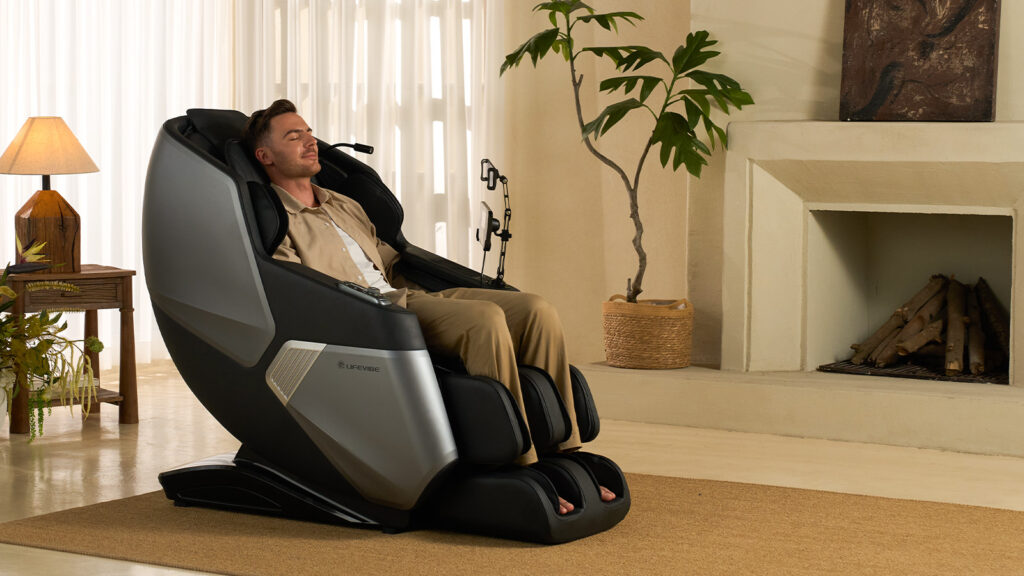
Lifevibe didn’t just join that conversation.
Lifevibe said, “Hold my frequency,” and built the world’s first consumer-grade VAT Massage Chair designed to bring clinical-grade resonance into homes, studios, and daily life.
And yes — it’s as interesting as it sounds.
From Pressure to Frequency: Why This Chair Hits Different
When most people picture relaxation, they think pressure — kneading, rolling, squeezing. Traditional massage chairs do what they do, but they’re built on the same assumption: push hard enough and the body will eventually give in.
Lifevibe politely disagrees.
With the Lifevibe Prime (or as wellness tech fans will soon start calling it: the Vibroacoustic Therapy Chair), relaxation isn’t something pressed into your muscles. It’s something your whole body resonates with.
Here’s the magic trick:
Instead of relying purely on mechanical force, Lifevibe uses low-frequency sound waves that travel through the body and into deeper tissues than rollers could ever reach. It’s not pressure. It’s resonance — a full-body hum that encourages your nervous system to exhale.
And their slogan nails it:
“Resonate Deeper.”
Not harder. Not louder. Deeper.
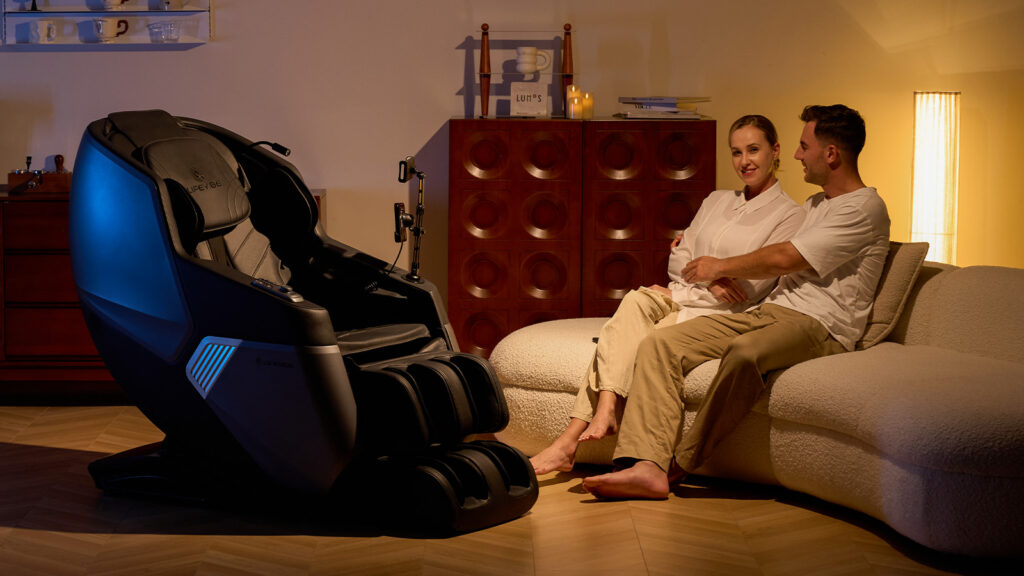
The Science Behind the Calm: SonicSync , SonicWave, and VAT in Action
The Lifevibe Prime isn’t a standard massage chair with a fancy PR team.
Its technology is rooted in real scientific principles — specifically Vibroacoustic Therapy, which uses frequencies between 30–120 Hz to support physiological and psychological well-being.
Here’s what that means in everyday human terms:
Different frequencies = different benefits
Lifevibe breaks them down beautifully through SonicSync Technology:
- 50 Hz: muscle relaxation + immune support
- 70–80 Hz: calming the nervous system
- 90–120 Hz: improving circulation and boosting vitality
Think of it as the wellness world’s version of tuning a guitar — except the instrument is your body, and the tuning is done with gentle, scientifically calibrated resonance.
Rollers + sound = Dual-Drive brilliance
The SonicWave Massage Mechanism combines:
- mechanical rolling
- vibroacoustic resonance
This dual-drive system means the chair delivers both physical touch and synchronized frequency patterns. It’s like pressure and sound working together in perfect harmony — something traditional chairs simply can’t replicate.
This is why Lifevibe isn’t competing with traditional massage chairs.
It’s rewriting the definition of what “massage chair” even means.
Modes That Feel Purpose-Built for Modern Life
Lifevibe didn’t stop at “here are some frequencies, good luck.”
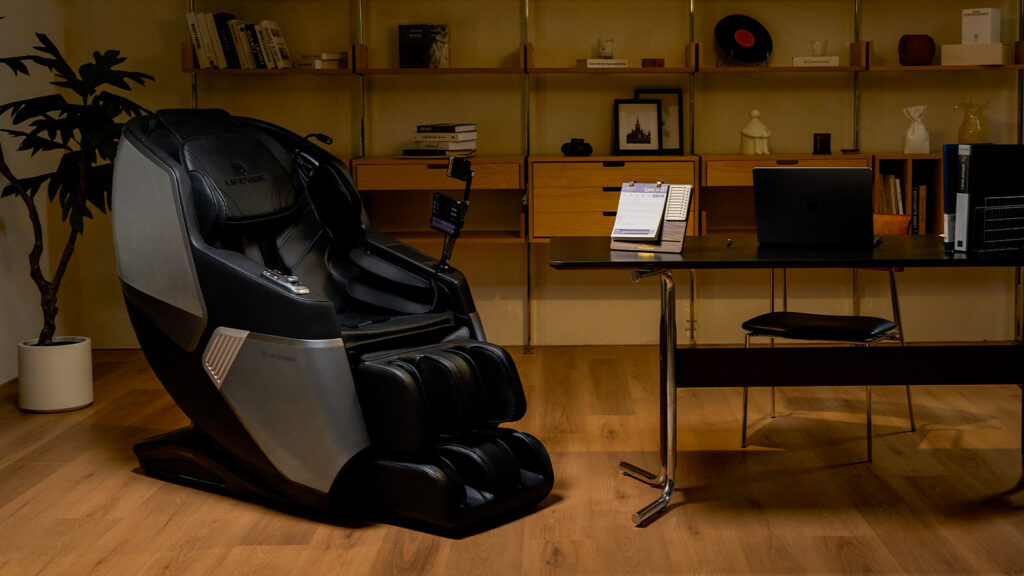
They created three scientifically tuned modes that match how we actually live:
 Dhyana Mode
Deep grounding frequencies that help quiet the mental chatter.
Perfect for anyone who meditates… or wants to start but feels like their brain behaves more like 37 browser tabs left open.
Sleep Mode
Low, slow frequencies designed to guide the body into a pre-sleep state.
Great for unwinding, bedtime routines, or those nights where lying down is half relaxation, half negotiation with your thoughts.
Focus Mode
Higher frequencies for alertness and clarity — a gentle, vibroacoustic espresso shot without the jitters.
Excellent for creators, remote workers, or anyone whose brain demands a reboot at 3 p.m.
These modes turn the Prime from a one-note relaxation tool into an everyday wellness companion.
Soundscapes That Feel Like Mini Getaways
A standout feature?
The immersive soundscapes built into the chair.
- Singing bowls
- Flowing water
- Forest dawn
- Ambient sound rituals
All perfectly synced with vibration patterns through SonicSync.
It creates an environment where sound isn’t just heard — it’s felt.
Think of it as the wellness equivalent of surround sound for your nervous system.
Design That Looks Like It Belongs in 2025, Not 2009
Wellness tech should look as good as it feels, and Lifevibe clearly believes this too.
The Lifevibe Prime has:
- a minimalist, modern silhouette
- intuitive controls
- full-body scanning
- 25 auto programs
- 6 massage techniques
- USB + wireless charging
- a soft reading light (big win)
This isn’t the bulky “dad chair” from every 90s living room.
It’s sleek enough for a bedroom, office, creative studio, or meditation space — and subtle enough to pass for designer furniture.
Why This Technology Is the Future of Relaxation
The rise of wellness tech, sound-based therapy, and mind-body healing tools isn’t slowing down.
More people want solutions that help them feel grounded, rested, focused, and energized without stimulants, medication, or screens.
A few reasons the shift toward VAT makes sense:
Sound doesn’t overstimulate — it harmonizes.
Frequencies target deeper physiological responses than pressure alone.
Resonance affects both mind and body, not just muscles.
Sound therapy is already being explored in clinical settings for anxiety, chronic pain, and sleep support.
In other words: the future of “relaxation” won’t just be touch.
It will be frequency.
And Lifevibe is simply getting there first.
Who Is the Lifevibe Prime For?
The sweet spot is adults aged 30–55 who love wellness, tech, or a beautifully designed home.
Ideal for:
- meditation lovers
- overworked professionals
- parents who would like to hear themselves think again
- studio creatives
- sleep-deprived humans (so… all of us?)
- anyone who wants a daily wellness ritual without leaving home
Final Thoughts: The Chair That Redefines Relaxation
The Lifevibe Prime Vibroacoustic Therapy Chair isn’t just a wellness product — it’s the beginning of a shift in how we understand rest, recovery, and emotional well-being.
Lifevibe’s mission says it best:
“To redefine how the world experiences relaxation — not just touch.”
And the Prime does exactly that.
It replaces force with frequency, noise with harmony, and “massage” with something far more modern and multidimensional.
If traditional massage chairs press into your muscles, the Prime tunes your entire system.
It’s wellness tech for people who want more than comfort — they want resonance.
And honestly? The future of relaxation may have just found its frequency.
The post Lifevibe VAT Chair Prime review: the sound-driven vibroacoustic massage chair you didn’t expect appeared first on Gadget Flow.
]]>Related: Tech Christmas gifts that will impress even your hard-to-buy-for friends
Whether you’re shopping for your gadget-loving bestie, your always-online sibling, your cozy-home friend, or that one person who is impossible to impress, these 50 ideas are here to save your gifting game. I’ve worked with or researched each one over the last year, so trust me—these are the types of gifts people actually use, not just unwrap and forget.
Before you check the categories below, here’s an exclusive deal from one of our favorite brands of the year–UNIT1. Their Torch Backpack is one of a kind because it makes everyday commute durable and safe.

UNIT 1 TORCH Backpack
UNIT 1 TORCH Backpack blends everyday carry with commuter-grade durability. It fits daily gear, holds optional Smart Light accessories, and works for short commutes or full-day rides.
Audio & Essentials Under $150
Perfect for music lovers, commuters and anyone who wants better sound, everyday!
Soundcore V40i Headphones

Beats Solo 4 Headphones

Marshall Emberton II

JBL Go 4 Mini Speaker
Soundcore P30i

Insta360 Mic Air Wireless

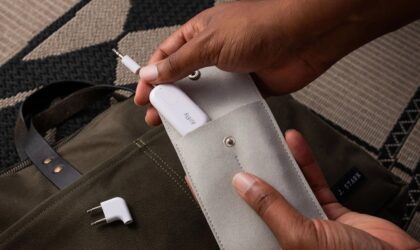
Twelve South AirFly Pro
Fiio/Snowsky Retro Nano
Smart Home Essentials Under $150
Cozy home gifts, smart upgrades and everyday conveniences make amazing gifts!
Amazon Echo Dot Max

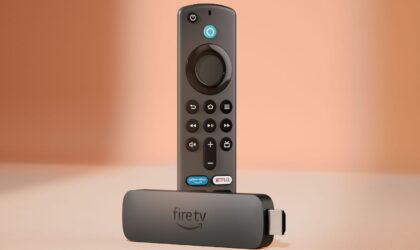
Amazon Fire TV Stick 4K
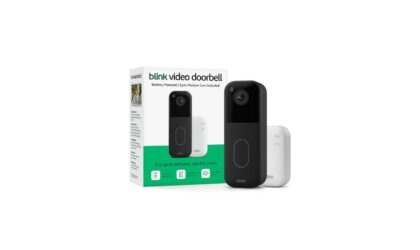
Blink Video Doorbell
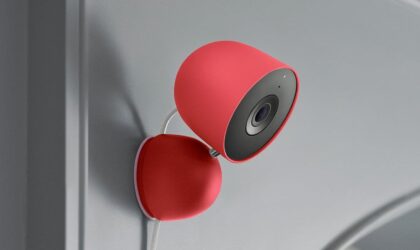
Google Nest Cam Indoor (Wired)
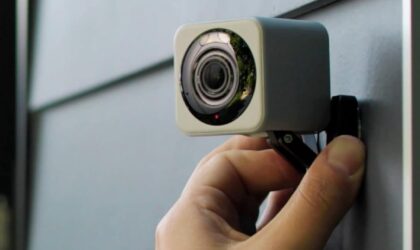
Wyze Cam v4 Security Camera
Govee Smart LED Light Bars

Amazon Smart Air Quality Monitor

Amazon Echo Spot

Phone, Laptop & Charging Tech
These gifts help your loved ones stay charged, connected, and productive all year long!
Anker Nano Power Bank

Apple Wireless Charger

Apple Pencil Pro

Amazon Kindle (Newest)

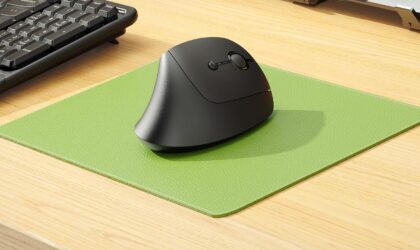
seenda Ergonomic
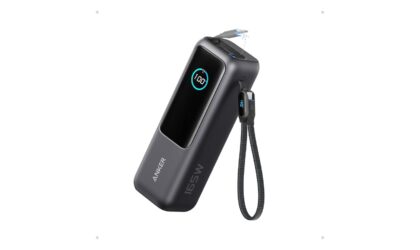
Anker Laptop Power Bank
Logitech Wave Keys for Mac

TRU RED 5-in-1 Desk Light

Fun Tech & Gaming Gifts Under $150
Great for gamers, teens, and anyone who loves a good distraction
VITURE x 8BitDo Ultimate

Xbox Wireless Gaming Controller

Corsair Sabre v2 PRO
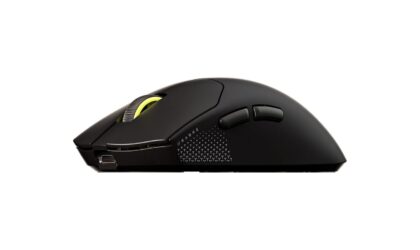
Nintendo Joy-Con 2 for Switch 2

Techy Kitchen Gifts under $150
Help your recipient cook up a storm at home, while staying on budget yourself!
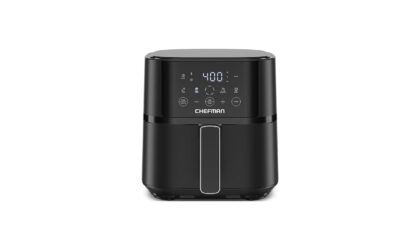
Chefman Air Fryer 4-Qt
bella Waffle Maker

Ninja Pro Blender Gen 2

KitchenAid Corded Hand Blender

Instant Pot Duo Plus Cooker

Nespresso Vertuo Pop+

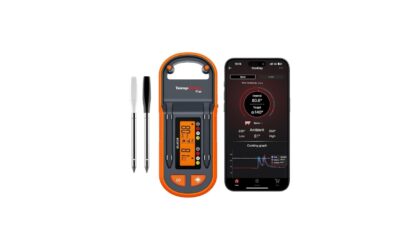
ThermoPro TempSpike Plus
SodaStream Soda Maker

Health and EDC Christmas gifts under $150
Shopping for a wellness nerd or a scout-level EDC fan? Gift them tech that keeps life running smoothly.
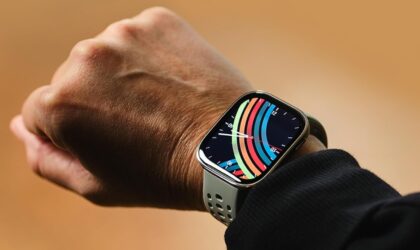
CMF Nothing Watch 3

LEVOIT Top Fill Humidifier

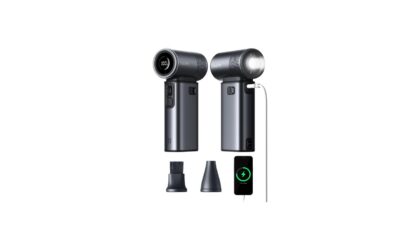
JISULIFE Handheld Fan
MANSCAPED Beard Hedger

COSLUS Water Dental Flosser

Satechi Passport Case

FOREO FLIP Play

Amazfit Bip 6 Smart Watch
Cozy Tech Gifts for the Holidays
Everyone wants an excuse to stay indoors and get cozy during the holidays. These cozy gifts deliver warm vibes to the max!
Ember Mug 2

Solo Stove Mesa XL

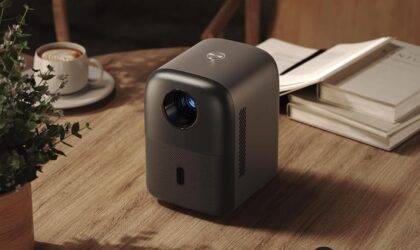
GROVIEW Mini Projector
Ultrahuman Sleep Mask

Westinghouse Heated Blanket

Amazon Kindle Paperwhite

SAVIOR HEAT Heated Slippers

Govee Smart Electric Kettle

Conclusion
If there’s one thing I’ve learned from years of covering gadgets, it’s this: the best tech gifts aren’t always the flashiest—they’re the ones people reach for every day. Whether you’re shopping for a gamer, a homebody, a traveler, or someone who already “has everything,” this list proves you don’t need to overspend to impress. Grab a few favorites, beat the last-minute rush, and enjoy knowing you nailed it this holiday season.
The post 50 Best tech gifts under $150 to buy this holiday season appeared first on Gadget Flow.
]]>My mom loves decorative arts. She makes everything from dolls to cat homes that look amazing and work well. When Christmas arrives, she goes all out. From a Christmas dress for Theia, our Labrador, to a wall-hanging with Santa socks at a relative’s house, we see quite a few cool creations pop up. I guess you could say I inherited her gift-giving genes. Whether you’re hunting for nerdy Christmas gifts for a gamer, a music fan, or a bookworm, I’ve got suggestions for you.
1. SEGA x Higround: The Definitive Collection

SEGA x Higround: The Definitive Collection
I first met Sonic as a character, long before I touched any game. He came off as bold and cool, the total opposite of me, since I sit in an introvert zone. Still, he pushed me to trust myself, even when fear sat close. Now Higround jumps in with its SEGA drop, packing fresh hype for Sonic and the old-school Dreamcast vibe.
The SEGA x Higround: The Definitive Collection brings five keyboards with gear that fits each theme from the SEGA universe. Among them, the star is the Summit 65+ (Dreamcast Design) $299.95. It runs a CNC aluminium frame with a mirror steel back plate that nails that Dreamcast look.
2. LEGO Retro Gaming Console

LEGO Retro Gaming Console
3-in-1 building set
LEGO sits in a funny space. It belongs to kids and to 27-year-old man babies like me. The LEGO Retro Gaming Console ($19.99) leans into that energy. Kids and gamers age 8 and up can build it, mess around with it, and park it on a shelf like a trophy.
3. MSI Claw A8 BZ2EM
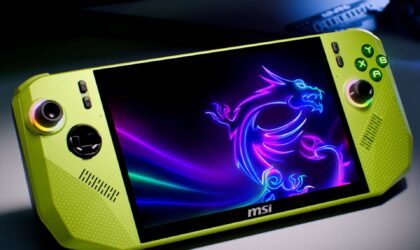
MSI Claw A8 BZ2EM
Gaming handheld with AMD Ryzen Z2 Extreme
I’ve been a Call of Duty nerd for 15 years, but lately, I’ve found more comfort playing on the couch on mobile instead of sticking to my desk. If the nerd in your life feels the same, a gaming handheld might make a perfect gift.
After a long wait, the MSI Claw A8 with Ryzen Z2 Extreme arrives. Buyers praise the MSI Claw A8 BZ2EM (€899 / around $1,056) for strong power, long stamina, and smart focus on comfort and hand fit.
4. nerdytec Couchmaster CYWORX

nerdytec Couchmaster CYWORX
Ergonomic lap desk
Last year, Gadget Flow handed me a lap desk to put to the test. I learned that I don’t enjoy a chair and table at all times. I sit on the floor often, and work slows down without a surface. That gap made lap desks feel useful. As the brand name suggests, nerdytec’s Couchmaster CYWORX ($163) comes from people who care about productivity, a lot.
The Couchmaster CYWORX supports laptops up to 17 inches and leaves room for accessories. What’s more, the board doesn’t lock in place, so it moves with your posture. You can slide it aside when you stand up. It suits long work sessions on a couch or bed.
5. Pro-Ject Debut Carbon Evo

Pro-Ject Debut Carbon Evo
Music brings some of life’s biggest joys. We all know someone who obsesses over their gear. The Pro-Ject Debut Carbon Evo turntable ($599) delivers a stunning sound. It doesn’t chase flashy features. Instead, it packs top-notch components in a simple, clean design. That kind of focus will click with nerds.
6. CORSAIR Nuka-Cola HS80 RGB Wireless Headset

CORSAIR Nuka-Cola HS80 RGB Wireless Headset
The next major Fallout game probably won’t land before 2030. Until then, fans can get some themed gear and merchandise. The CORSAIR Nuka-Cola HS80 RGB Wireless Headset ($169.99) pairs Nuka-Cola artwork with Dolby Atmos, letting you hear sound in 3D.
7. Amazon Kindle Scribe (2025 model)

Amazon Kindle Scribe (2025 model)
Amazon’s new Kindle Scribe isn’t just an update. It has a bigger screen, a thinner, lighter body, and a clean, uniform look. The 2025 Amazon Kindle Scribe ($399.99) uses an aluminum chassis, giving it a solid, premium feel in your hands. It makes a strong case for swapping a pile of notebooks for one device built for writing, reading, and thinking.
Before you go
I chose items that I know deliver quality and excitement, and I hope they help you pick a meaningful Nerdy Christmas gift for the people you care about. Giving a present that matches someone’s interests makes the holiday memorable.
The post 7 Nerdy Christmas gifts for gamers, music enthusiasts, and avid readers appeared first on Gadget Flow.
]]>Generative AI has already reshaped how software gets built, but most tools remain stuck in a developer-centric world. Platforms like Cursor, Windsurf, or Replit still expect users to interact with code, configure environments, and understand workflows that feel foreign to the majority of people who simply want an app, not a crash course in engineering.
CodeFlying, from KuaFuAI, takes a very different stance: it is an AI coding assistant, AI code generator, and AI app builder that focuses only on mobile delivery and only on users with zero technical background. Its bet is straightforward: the next wave of app creators won’t be traditional developers at all—but ordinary people, small teams, teachers, shop owners, and creators who want an app with minimal friction and minimal cost.
That positioning has resonated quickly. CodeFlying now reports 500,000+ creators, 1,000,000+ apps automatically generated, and a staggering 16 billion lines of AI-generated code.
This review takes a closer look at the product, the design decisions behind it, and why CodeFlying stands apart from the text-to-software platforms emerging across the AI ecosystem.

What Exactly Is CodeFlying?
At its core, CodeFlying is a text-to-software platform powered by a multi-agent framework that turns natural language into a fully functional mobile application. There is no coding, no UI builder to learn, and no deployment pipeline for users to decipher. You chat, the system generates. That’s the premise.
The platform currently outputs mobile websites, with iOS, Android, and HarmonyOS app packages listed as “coming soon.” This mobile-first rule is not an afterthought—it’s a fundamental product choice. CodeFlying believes that mobile is the default consumption mode for most real-world users, especially for creators and small teams sharing content and tools directly with their audiences.
Every generated app is delivered as a mobile-optimized H5 website with a one-click share link or QR code, allowing instant circulation. That lowers friction dramatically—no app stores, no approvals, no technical setups. Just a link.

How It Works: Multi-Agent Development, Explained Simply
Although the platform calls itself an AI software development tool, its inner workings are intentionally hidden from the user. They never see code. They never need to understand frameworks. But behind the scenes, CodeFlying runs a sophisticated model:
1. Multi-Agent Collaboration (Agent Swarm Framework)
CodeFlying uses a coordinated network of AI agents—each responsible for different tasks such as API creation, UI layout, database design, or authentication logic. These agents operate in parallel, with a scheduler managing context and conflicts.
2. Full-Chain Text-to-Software Automation
Users describe what they want. The system converts natural language into full-stack code:
- Front-end
- Back-end
- Database
- APIs
- Deployment flow
- Admin panel
Apps are often ready in under ten minutes.
This “natural language to app” workflow is the platform’s biggest selling point. By skipping visual editors or coding surfaces, CodeFlying becomes a true AI app generator, not a low-code kit with AI sprinkled on top.

The Feature That Changes Everything: Automatic Back-End Generation
Most AI app builders today only output front-end screens, prototypes, or partial code. CodeFlying does something rarer:
it automatically generates a complete, dedicated management back-end for every app—without users requesting it.
This admin panel lets non-technical creators:
- Monitor user behavior
- View access logs
- Track API calls
- Manage data
- Update content
- Adjust configurations
For many businesses, building such a back-end is often more expensive than building the front-end itself. By bundling it automatically, CodeFlying reduces the operational burden significantly.
This “built-in admin panel” is a major differentiator from rivals like:
Lovable, Anything, MGX, Yourware, Replit, Aippy, or Windsurf.
Most competitors focus primarily on generating code; CodeFlying focuses on generating usable products with operational oversight built in.
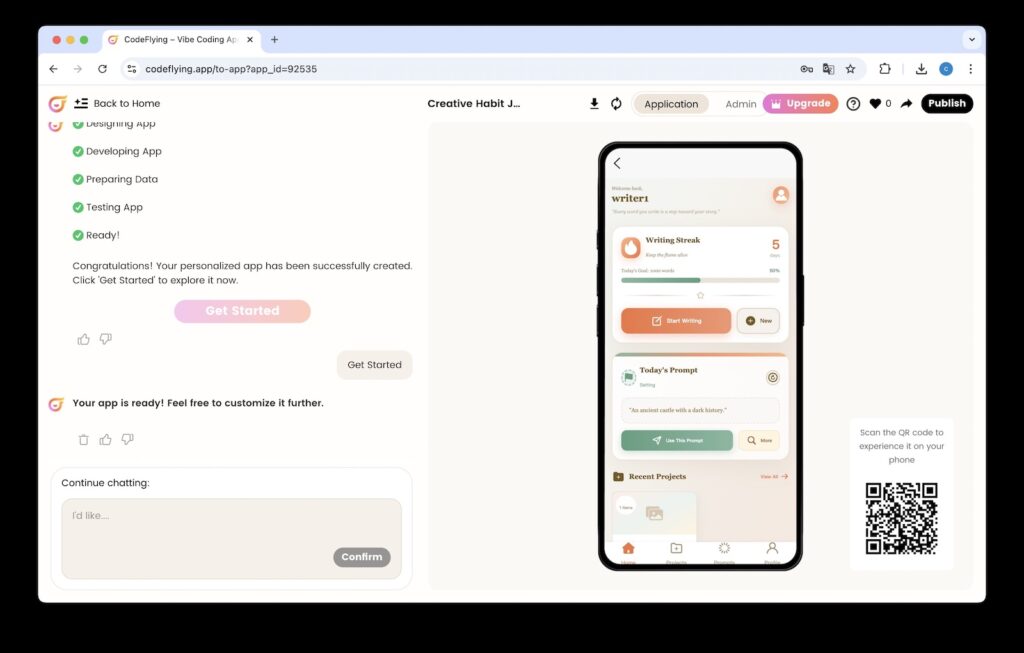
Mobile-First: The Strategic Choice
Where many AI app tools output desktop-first layouts or generic React projects, CodeFlying commits to mobile as the default. The reasoning is practical:
- Most apps today are consumed on mobile.
- Most creators distribute via social platforms where links dominate.
- Most small businesses want customer-facing tools accessible instantly.
A mobile website with a single tap is more useful for teachers, coaches, small retailers, or community managers than a complex desktop application.
This design stance explains why every app is immediately optimized for mobile layout—a built-in advantage for creators who need speed, simplicity, and reach.
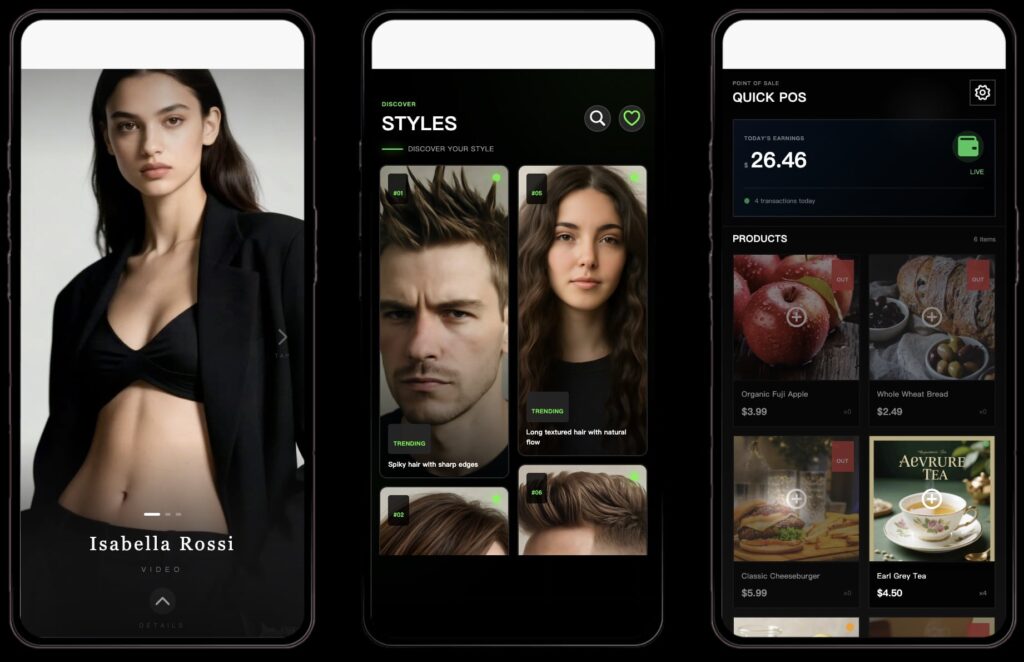
What Users Can Build
CodeFlying’s natural-language development model makes the platform flexible. The company lists a wide range of scenarios already in use:
- Internal enterprise tools
- Lightweight mini-games
- Online ordering systems
- Educational tools and teaching platforms
- Data dashboards
- Intelligent recipe generators
- Book discussion spaces
- Product launch countdown pages with Easter eggs
- Mall maps and interactive navigation
Because the system abstracts complexity, users rarely think in terms of “technology.” They simply describe outcomes.
Key Features at a Glance
Full-Stack AI App Builder
The system handles conversation → generation → code → deployment → publishing → management in a single pipeline.
Built-In AI-Native Backend
Automatic creation of:
- Database
- Authentication
- APIs
- Context management
- Payment systems (Stripe, Alipay)
Real-Time Preview & Editing
Users can see their app instantly, modify it via text, and iterate quickly.
AI Capabilities
Add AI text generation, image generation, image recognition, and voice functions within minutes.
Integration Ecosystem
Hundreds of MCP services supported, including SSE-protocol options.
Ownership & Export
Users maintain full copyright, can download source code, documentation, or installation packages.

How It Differs From Other AI Builders
| CodeFlying | Typical AI Builder | |
|---|---|---|
| Mobile-first output | Default |  Usually desktop/web generalist Usually desktop/web generalist |
| Built-in admin back-end | Always included | Rare or unavailable |
| Natural language only | No code shown | Requires coding or workflow setup |
| Full-chain automation | End-to-end | Often stops at front-end |
| Zero environment setup | No deployment work | Requires build tools or hosting |
| App packages | One-click install (coming soon) | Limited or unavailable |
Pricing
- Free Plan: $0/month – full development, no code exposure
- Standard: $25/month
- Advanced: $40/month
- Premium: $200/month
About the Company: KuaFuAI
- 1,000,000+ apps generated
- 16 billion lines of code created automatically
Verdict: A Platform Built for the Next Generation of Builders
The post CodeFlying.app Review: the AI app builder betting everything on mobile—and on non-developers appeared first on Gadget Flow.
]]>Technology has forever reshaped life, and it is also slowly transforming traveling, offering improved solutions to help any traveler out there. These technologies are meant to provide a seamless experience and make you feel better both on your way to the destination you have chosen and during your stay there.
There are many gadgets that will make any trip to North America a more special experience. This applies even more because North America is a continent home to many amazing wonders and interesting cultures you can immerse yourself in. So, in this region, you can find whatever you want to visit, such as modern cities, tranquil towns, mountains, and beaches. As you can see, you have a lot of places from which to choose.
North America boasts untouched natural wonders, where we can mention crystal clear lakes, beautiful beaches, and deep forests, meaning you need to bring the right equipment to capture what this country is known for. Then, North America is also home to a fantastic culture, so you need technology to let you connect with your loved ones from home, and tell them the amazing experiences you have had on your journey.
Gadgets are essential for any trip to North America, and they are the ones that can impact the success of your entire journey. Ready to explore the best ones to take with you? Keep reading.
eSIMs
Connectivity is one of the most essential factors to keep in mind when traveling. So, you need something to communicate with your friends and family, while benefiting from unlimited data. An eSIM is a digital version of a traditional SIM card, which brings better advantages to any traveler. This is a technology that is built directly into tablets, smartphones, and wearables, and they have several benefits over traditional alternatives.
So, this technology will surely help you have a seamless trip, which is why you should start looking for the best eSIM for Northern American countries. eSIMs have an easy setup, and you will be able to take advantage of all their benefits by only scanning a QR code and following some easy instructions offered by the eSIM provider. Once it is activated, you are able to make calls, have internet connectivity, and send texts.
Plus, you won’t need to change your WhatsApp number, which is a great advantage. Connectivity is also seamless, and an eSIM can finally say goodbye to the problems of physical SIM cards. Another perk is that you don’t deal with roaming charges while taking advantage of unlimited data.
Universal travel adaptor
One of the worst feelings in the world is to reach the hotel of your new location only to discover that you can’t charge the batteries of your gadgets, as the hotel has different power sockets. Unfortunately, countries are different, and depending on the country you are traveling in, the ones from North America might or might not use the same models. If they do, then you are lucky, but if they don’t, you will need to go on a search to find a universal power adaptor. And after going on a long flight and getting to the destination at night, this is probably the last thing you want to deal with. You might also not find it very easily if the shops are closed. So, if you don’t want to make your dear ones at home worried, it is a better idea to take a universal travel adaptor with you from the start. This is surely a gadget you will find helpful.
Mirrorless camera
If you are a photography enthusiast, it is also a good idea to take the gadgets that will make you put your talent into practice. Sure, the phone cameras do great, but photographers appreciate photography more with their cameras, which might be their best friends. However, if you want to travel light and not take heavy things with you, then it might be a better idea to bring a mirrorless camera instead of a DSLR. Now, these mirrorless cameras provide high photography quality, and they also have the advantage of coming in a smaller size.
So, suppose you are a photographer who wants to capture all the beauty of the North American countries at a professional level. In that case, it is also a great idea to bring your mirrorless camera with you.
Multi-device portable battery charger
You have a lot of gadgets you need to take with you when traveling, like a phone, a smartwatch, and your AirPods. And if you are using them all on the road, you might run out of battery. And this is when a portable charger will come to play, and will prove to be a great advantage to you. Plus, with a multi-device battery charger, you can charge multiple devices at the same time, which will help you save time. Plus, many models come in a small size, so they also won’t occupy much space in your luggage.
Kindle
There is something about vacations that makes you want to read more. Maybe because this activity provides great relaxation, or to save some boredom on long roads, but a Kindle can be a great addition for you. The disadvantage of taking paperbacks is that they occupy more space, and you might finish the book and want to start another one. But with them, you have a limited number to take with you. Well, this is why a Kindle offers superior options, as it occupies a smaller space, and you can also download as many books as you want so that you can immerse yourself in them while reaching your destination in North America.
Travel door alarm
If you want to ensure you stay safe in the accommodation or hotel you have booked, then it is also a great idea to bring a travel door alarm with you. The use of this gadget is very simple, and you will only need to hang it on the doorknob. If this gadget sees that there is someone who wants to get it, it will let out an alarm, which will wake you up and scare the intruder.
Conclusion
We are now living in a digitalized world, where technology is present everywhere around us. This is why technology is also welcomed when we are traveling. Taking with you the right gadgets will offer a better experience, and make you enjoy the visited destination in a more pleasurable way.
The post What are the best tech and gadgets to bring with you on a trip to North America? appeared first on Gadget Flow.
]]>It starts like any morning. Steam softens the bathroom glass while light sneaks in through half-closed blinds. You lean closer, and somewhere between toothpaste and mascara, your reflection begins to move before you do.
A faint pulse appears on the glass – soft, amber, almost human. The mirror exhales.
“Good morning,” it says. “Hydration’s low again.”
Only this time, it isn’t a voice in your head.
Your mirror knows the rhythm of your heartbeat. It knows you didn’t sleep well. It knows your skin is drier than yesterday and that you’ve skipped breakfast three days in a row. Yet, it doesn’t judge. It observes, learns and remembers.
Once, only Disney’s Evil Queen had a mirror that talked back. Today, yours does too; minus the crown, plus an algorithm.

Now, it’s just another debut at CES 2026, wrapped in chrome and confidence, promising to make your mornings “smarter.” Mirrors that promise to perfect skin tone, monitor health, and even read emotion. They’re not vanity accessories anymore; they’re portals into our private ecosystems.
But this isn’t just a story about gadgets.
It’s about how technology is turning self-care into self-study – how our most private ritual, looking in the mirror, is becoming an exchange.
Because reflection, it turns out, no longer waits for you to look first.
When Reflection Learns to Think
A traditional mirror shows you what’s there.
A smart mirror tells you what it means.
Behind that glossy surface is an ecosystem of cameras, sensors, and learning models that turn your reflection into a live data feed. These mirrors don’t just see skin; they see patterns – hydration shifts, micro-expressions, fatigue cues, posture alignment, and subtle color changes invisible to the naked eye.

The process is almost orchestral. A hidden camera captures your face, infrared sensors map depth and tone, and an onboard AI engine interprets what it finds. Within seconds, your mirror can tell if your skin barrier needs moisture, if your sleep cycle’s off, or if that stress line wasn’t there yesterday.
Gesture once, and it switches from beauty mode to wellness mode. Speak, and it listens, syncing with Apple Health, Google Fit, or your skincare app to merge beauty data with lifestyle metrics. The lighting adjusts to mimic daylight so your makeup looks the same outside as it does here.
Brands like HiMirror, Baracoda’s CareOS Vera, and Capstone Connected have turned this once-luxury gimmick into a category. Each approaches reflection differently: HiMirror treats it like diagnostics, CareOS like emotion mapping, Capstone like design-led home integration.

It’s tempting to call it innovation, but it’s also intimacy, redefined. The mirror isn’t just watching anymore; it’s interpreting, and that’s a different kind of gaze altogether.
Why CES 2026 Is All About Smart Reflection
At this year’s CES 2026, the floor feels different. Among the drones, foldables, and next-gen wearables, one unexpected category is drawing the crowds: mirrors. Not just reflective glass, but intelligent surfaces that respond, advise, and adapt, turning the quiet act of getting ready into a personalized wellness ritual.
Baracoda’s BMind Smart Mirror, first introduced at CES 2024 as a mental-wellness companion, returns evolved. It now pairs emotion detection with biometric tracking, translating your facial micro-movements into mood insights and gentle behavioral prompts. Guided breathing, light therapy, and voice-based stress coaching all unfold from the same piece of glass.

As Baracoda CEO Thomas Serval said when unveiling the mirror:
“Technology that can monitor for subtle changes in health has the potential of improving the quality of millions of lives. Our mental state exerts a strong effect on our sense of physical well-being.”
Nearby, L’Oréal pushes beauty tech into biotechnology. Its Cell BioPrint prototype reads skin proteins and biomarkers within minutes, offering tailored skincare recommendations that blur the line between cosmetic and clinical.
At CES 2023, CEO Nicolas Hieronimus defined the company’s philosophy clearly:
“For L’Oréal, the future of beauty is inclusive. And this future will be made more accessible by technology.”
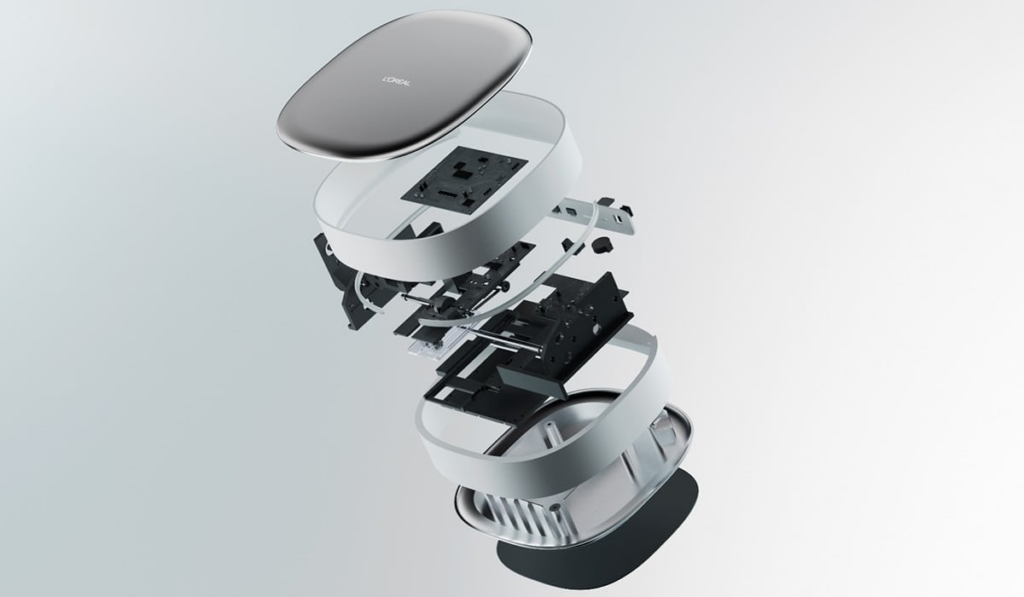
Meanwhile, the brand’s Mood Mirror AR system detects emotional reactions to makeup shades, fine-tuning colors in real time.
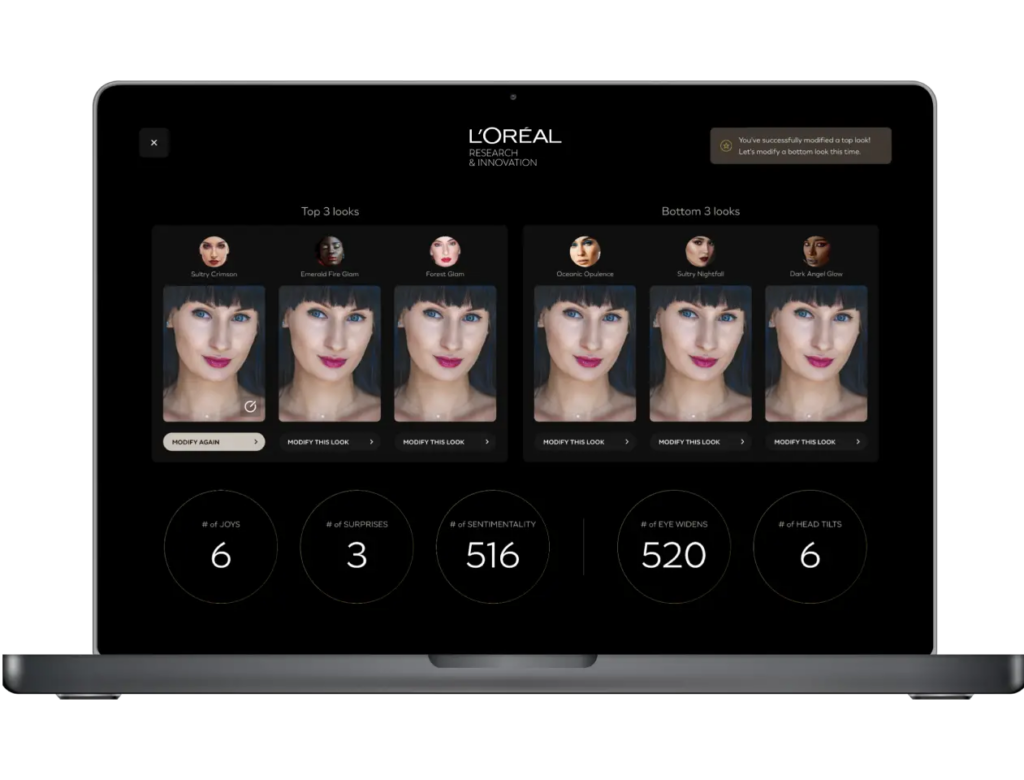
Together, these unveilings reveal a clear shift: the mirror is no longer a vanity product; it’s a wellbeing interface.
Smart surfaces now sync with health apps, regulate lighting for circadian balance, and use AI to create data-driven feedback loops around self-care.
CES 2026 showcases this momentum: mirrors that detect mood, analyze skin, and connect to health apps; brands uniting AI with daily rituals to blur the lines between self-care and self-knowledge.
The reflection is no longer passive. It’s intelligent, intuitive, and deeply human in its intent.
Do You Actually Need One?
The Good, The Glam, and The Creepy
The Good
For some, the answer feels obvious. A mirror that tracks hydration, spots fatigue, and remembers what your skin looked like last week? That’s not indulgence, that’s insight.
It’s the ultimate self-care companion: one that gamifies progress, rewards consistency, and turns daily maintenance into a small ritual of improvement. When your reflection becomes data, you start seeing patterns and progress that were invisible before.
If you already rely on your smartwatch to track sleep, why not let your mirror join the conversation?
The Glam
Then there’s the allure, the theater of it all. Standing before a glowing pane that wakes as you do, adjusting light and tone like a stage director, makes every morning feel curated.
It’s beautiful, functional, and almost cinematic. A mirror like this doesn’t just fit into your home; it transforms it, adding that quiet sense of living in the future, the kind that feels good to show off, even if you won’t admit it.
The Creepy
But here’s the pause: every feature that makes it smart also makes it watch.
The same sensors that study your skin also study your behavior. Each expression becomes data, each glance a digital record. Privacy policies promise protection, but the truth is simple, once your face becomes information, you can’t fully take it back.
Add the price tag and the effort of daily engagement, and the shine dims a little. For enthusiasts and wellness trackers, it’s a dream. For everyone else, it’s still a mirror that occasionally stares too hard.
So, do you actually need one? Maybe not, but it’s hard to ignore. Smart mirrors sit right at the intersection of self-care and self-surveillance: half-coach, half-critic. They promise awareness, accountability, and elegance, but demand trust and attention in return.
Whether you see that as a fair exchange or a step too far probably says more about you than it does about the mirror itself.
The Future of Mirrors: More Than Skin Deep
The mirror is on the edge of its next transformation. What started as reactive – scanning, tracking, responding, is evolving into something predictive. Soon, mirrors will recognize the earliest signs of stress or dehydration, detect mood fluctuations, even flag subtle physiological changes that hint at burnout or illness. It won’t just show what’s visible; it will sense what’s coming.
AR and VR layers are already being tested, blending fashion, wellness, and telemedicine into one seamless reflection. Imagine virtual fittings that mimic real-world light, or a remote consultation that feels face-to-face through your own mirror. At the same time, sustainability is reshaping the category – low-energy illumination, recycled materials, and minimalist designs turning these devices into quiet examples of responsible innovation.
If CES 2026 proves anything, it’s that reflection is no longer passive. It’s intelligent, interactive, and deeply human in what it chooses to reveal.
Final Take
The mirror has stopped being a prop in our routines. It’s become the stage.
What started as a glance before leaving the house has turned into a dialogue – one that measures, advises, and occasionally challenges us. From skincare and sleep tracking to emotion-aware insights, reflection has learned to think, and it’s not shy about sharing an opinion.
Still, behind the gloss lies the quiet question every innovation eventually faces: how much of ourselves are we willing to trade for precision, for progress, for being known? The answer will shape not just how we look in the mirror, but how we see ourselves in the world it reflects back.
The post AI-Powered Smart Mirrors: Reflections That See What You Can’t appeared first on Gadget Flow.
]]>Leonardo da Vinci once wrote, “As you go about town, constantly observe, note, and consider the circumstances and behavior of men as they talk and quarrel, or laugh, or come to blows.” Back in the 1480s, when he first showed up in Milan, he had a little notebook hanging off his belt to jot down all the experiences. Fast forward to 2025, and Pebble drops the Index 01, a $75 smart ring with a built-in microphone to help you capture sparks of ideas while you’re out and about. Sounds like something a writer like me would love, right? But wait, there’s more. So, without further ado, let’s get into my Pebble Index 01 review and see what creatives can expect.
Built-in microphone for notes on the go

Pebble Index 01
AI-powered smart ring with built-in microphone for quick voice notes
I wish a coworking space sparked more ideas for me, yet it never does. Stanford University spoke with the world’s leading founders, from Jeff Bezos to Mark Benioff, to learn how entrepreneurs notice opportunities. The research shows that successful entrepreneurs stand out by “questioning, observing, experimenting, and sharing ideas.”
My own sparks show up when I’m on the go… while walking my dog in the park or on my way home with hot chocolate. You get the point; ideas show up at moments when my hands stay full. That’s where the Index 01 steps in.
The Pebble Index 01 uses a built-in microphone that stores quick thoughts while you stay in motion. I value the privacy. You press the button, whisper your thought, and the recording goes straight to your phone. It lands in notes, turns into a reminder, or waits for you in a list. The ring never “listens” outside the moment you trigger it.
As a writer, I think it’s important to observe the world and stay present. I like having my own space—it’s just me, the best company I know, and my pets. They’re the ones who get me.
Forget charging or subscriptions—(looking at you, Oura)
I don’t have an Oura ring, but I’d love to get one. The subscription fee, though, feels a bit much. I get that companies need to make money, but it’s frustrating when it limits the device’s full potential. Now, the Pebble Index 01 doesn’t come with health features like the Oura Ring 4, but I appreciate that it doesn’t need a subscription or internet connection. The icing on the cake? The battery lasts for years, so you never need to charge it.
I like how customizable Pebble’s products are. Eric Migicovsky, the founder, told Bloomberg that just like their smartwatches, people can tinker with the Index 01 and add new features, like controlling music or snapping a photo with the camera. Considering that the Pebble Index 01 is available to pre-order for just $75 (rising to $99 when shipping starts in March), the promises are hard to resist.
Verdict
Pros
 Speak your thoughts—the built-in miccrophone captures them
- Forget charging. Can last through years of usage
- No subscriptions
Cons
- Short (30-day) warranty
The Pebble Index 01 functions like a modern da Vinci notebook, on a finger. I like the idea of capturing thoughts on the go without subscriptions or charging. I haven’t tried it yet, but Pebble has found a compelling selling point. Tech brands, from big players to startups, are hunting for a hardware formula that resonates with mainstream users.
The short 30-day warranty stands out as a downside—most smart ring makers, from Oura to Samsung, cover at least a year—but that’s the only drawback, which speaks to the Pebble Index 01’s quality.
The post Pebble Index 01 review: I found a modern-day da Vinci notebook (it’s a smart ring) appeared first on Gadget Flow.
]]>After years of recommending Christmas gifts, I’ve realized one thing: pretty much everyone appreciates tech gifts. It doesn’t matter if you pulled the company developer in Secret Santa or are shopping for Aunt Susan, both will happily unwrap a nice pair of earbuds. Same goes for a smart plug or an ergonomic mouse. With that in mind, I put together this list of tech Christmas gifts that are genuinely impressive, especially for the hard-to-shop-for crowd.
And what makes me so confident about these picks? I’ve worked with them all year. These are the gadgets I’ve spent the last six months testing, writing about, and watching people gush over. If it’s here, it’s because it’s good—not just trending. Your hard-to-buy-for friends and family will take note.
So instead of doom-scrolling Amazon or wandering Target hoping inspiration strikes, feel free to borrow my shortlist. Below you’ll find headphones, smart home upgrades, gaming gear, cozy home tech, and little gifts people will actually use…not just politely smile at.
Let’s break them down by category so you can shop fast and stress less. 

Tech Christmas Gifts for Music Lovers
Treat your audiophile friend to a gift that’ll make their curated playlists sound like a live concert—no matter where they happen to be!
Nothing Headphone (1)

JBL Grip Bluetooth Speaker

FiiO/Snowsky Tiny DAC
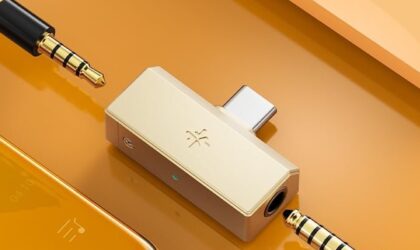
Skull Candy Dime Eco Earbuds

Tech Christmas Gifts for Gamers
Got a friend who won’t stop talking about frame rates? Maybe one who still quotes old Nintendo lines? Brighten their holidays with any of the gamer gifts below:
Nintendo Switch 2 Pro Controller

My Arcade Atari Gamestation Go

LEGO Super Mario Game Boy

Logitech G309 Lightspeed

Smart Home Christmas Gifts
For friends and family who dream of a smoothly operating home—without having to get up all the time!
Amazon Echo Dot Max Speaker

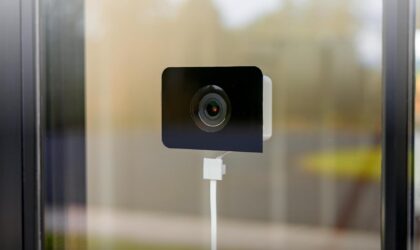
Wyze Window Security Camera
Govee Table Lamp 2 Pro

Blink Video Doorbell

Everyday & Small Accessories Tech Christmas Gifts
Little things can make life easier in a big way. Here are some of my favorite good-things-come-in-small-packages kind of gifts in 2025:
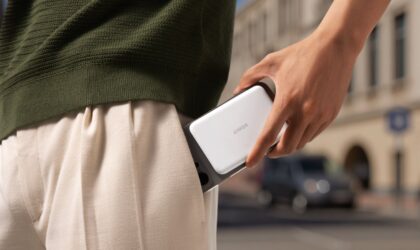
Anker Nano Power Bank
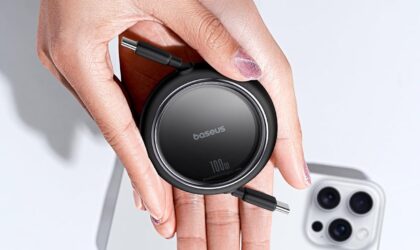
Baseus USB-C to USB-C Cable
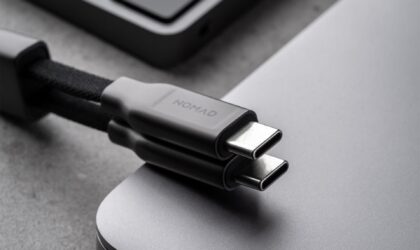
Nomad ChargeKey
Apple AirTag 4-Pack

Christmas Tech Gifts for Productivity, Work & Desk
For friends who spend more time at their desk than anyone else.
Logitech MX Master4

ADESSO EasyTouch
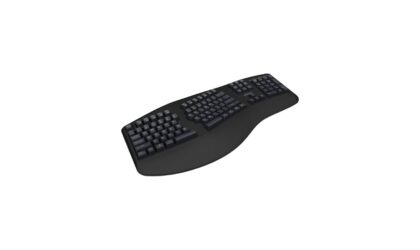
Amazon Kindle Colorsoft

Fitbit Charge 6 Fitness Tracker

Tech Christmas Gifts for Cozy Home Vibes
Help your giftee relax at home—with gifts that let them sleep deeper, caffeinate faster, and feel just a bit more aesthetic.
Keurig K-Mini Mate Single Serve

Amazon Smart Plug with Alexa

Yogasleep Travel Mini White Noise

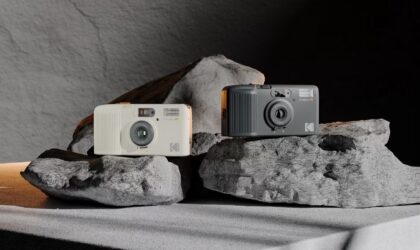
Kodak Snapic A1 Film Camera
Whether you’re shopping for the gamer nephew, the coffee-powered coworker, or the parent who deserves better sleep, there’s something on this list that will make giving worthwhile. You don’t have to second guess yourself or spring for a boring backup, just in case. These tech Christmas gifts, quite simply, make life better and easier. Here’s to gifting smarter, not harder — and maybe keeping one for yourself. 

The post Tech Christmas gifts that will impress even your hard-to-buy-for friends appeared first on Gadget Flow.
]]>